

Solo Travel Advice for Australia: A Comprehensive Guide
I was having lunch with a friend the other day, a Vietnamese woman I met in my apartment building. She’s in her late 20s, speaks excellent English, and is skilled in hospitality and events management. The conversation took an exciting turn when she shared her news: after nine months of waiting, her Australia Working Holiday Visa was finally approved. She was over the moon with excitement, but also terrified.
“I’m going by myself. What do I do? Where do I go? How do I find work? Is it true all the animals can kill me?” she asked, wide-eyed and anxious. I chuckled a bit (as any Aussie would), but I quickly realised her concerns were valid for many solo travellers, especially those venturing to a new country alone.
I trust the following information will help her and others in the same situation.
Travelling solo to Australia can be an exciting and enriching experience. Here are some tips and advice for solo travellers, focusing on work opportunities, travel logistics, and safety concerns: One of the biggest concerns for many travellers on a Working Holiday Visa is how to find work. Here’s what you need to know:
- Harvest Trail: Australia’s Harvest Trail is a classic option for backpackers. This is a network of seasonal jobs in rural areas, mostly involving fruit-picking and farm work. While it can be tough work, it’s a great way to earn some cash while experiencing Australia’s stunning countryside. Plus, it’s a wonderful way to meet other travellers from around the world. The only catch? You’ll need to be prepared for early mornings, sore muscles, and a newfound appreciation for hats and sunscreen!
- Hospitality Jobs: Australia’s major cities like Sydney, Melbourne, Brisbane, and Perth are home to a thriving hospitality industry. From bar work to hotel housekeeping, you’ll find plenty of opportunities, especially in tourist hotspots. If you have experience in hospitality or events (like my friend), you’ll likely find work in no time. Remember to apply for an RSA (Responsible Service of Alcohol) certification if you plan to work in bars or restaurants that serve alcohol.
- Remote Work: If you’re more of a digital nomad, you’ll be glad to know that Australia’s urban areas have excellent internet infrastructure, making it possible to work remotely. From writing gigs to customer service, there are options that allow you to earn a living while exploring this beautiful country.
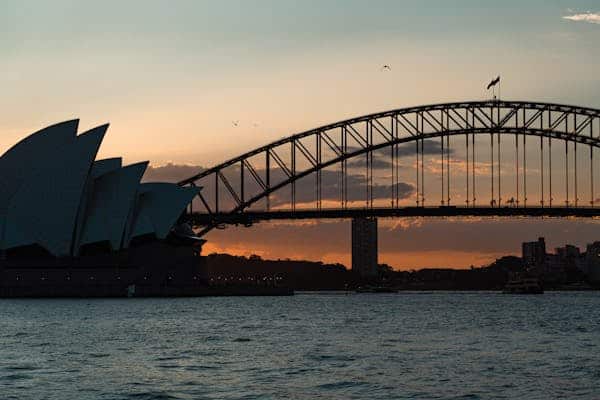
Travel Distances and Logistics
Australia is not just big—it’s massive. Many first-time visitors underestimate the sheer size of the country, thinking they can hop from Sydney to Melbourne or Perth to Adelaide in a day. Spoiler alert: you can’t. Here’s how to navigate the logistics of solo travel:
Distance Between Cities: Let’s start with the basics. The drive from Sydney to Melbourne is around 9 hours, while getting from Sydney to Perth is a whopping 40 hours by car (or a 4–5-hour flight). So, unless you have the time and stamina for endless road trips, it’s best to fly between major cities. Domestic flights are relatively affordable if you book ahead, and it saves you from being trapped in a car for what feels like an eternity.
Public Transport: In cities like Sydney and Melbourne, public transport is reliable and easy to navigate. However, traveling between cities or in rural areas can be more challenging. Greyhound buses or long-distance trains (like the famous Indian Pacific) are options but may require advanced booking. For longer journeys, it’s often more practical to fly.
Road Trips: If you’re up for an adventure, renting a car or campervan is a fantastic way to explore Australia at your own pace. The Great Ocean Road, the Outback, and the coastal routes are stunning and allow for a deeper connection to the landscape. But be prepared for long stretches with minimal facilities, so stock up on essentials (water, snacks, a good playlist) before setting off.
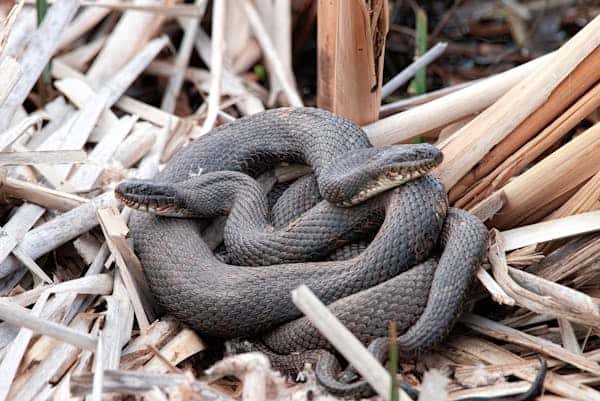
Safety and Dangerous Animals
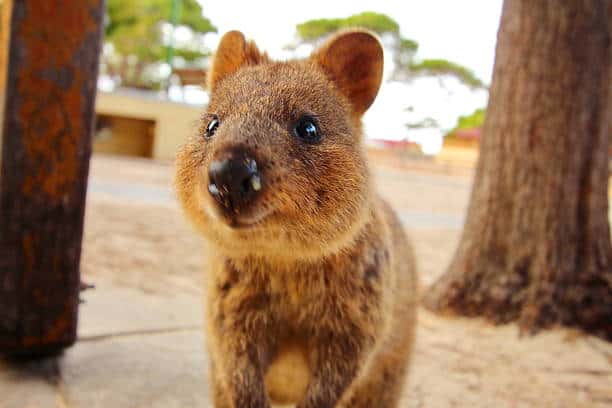
Now, let’s talk about the thing that seems to scare travellers the most: Australia’s wildlife. Yes, it’s true we have some of the deadliest animals on the planet, but the odds of encountering them are quite low—unless you go looking for trouble.
Snakes and Spiders: Yes, Australia is home to venomous snakes and spiders, but you’re unlikely to stumble upon them in urban areas. If you’re hiking in the bush, wear sturdy shoes and avoid tall grass or rocks where snakes might be hiding. Spiders? Just give them space and resist the urge to poke.
Sharks: If you’re swimming at popular beaches like Bondi or the Gold Coast, you don’t need to worry too much about sharks. Most of these beaches have shark nets and are patrolled by lifeguards. Always swim between the flags, as lifeguards are on hand to watch for dangers and alert swimmers if necessary.
Crocodiles: This one’s serious—northern Australia is home to saltwater crocodiles, which are genuinely dangerous. Follow all warning signs, and never swim in rivers or estuaries where crocs might be lurking. If you’re unsure, ask locals or tour guides for advice.
Jellyfish: In northern Queensland, the box jellyfish can pose a serious threat, especially during the warmer months (November to May). Swim in designated areas with stinger nets, and always heed the signs that warn you of jellyfish presence.
Despite the stories, Australia’s wildlife is something to admire rather than fear. Just use common sense, follow local advice, and you’ll be fine.
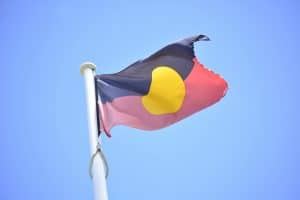
Cultural Considerations and Making Connections
Australia is home to people from all over the world, and our culture is generally laid-back and inclusive. Here’s what you should know to navigate social situations smoothly:
Indigenous Culture: If you have the chance, learn about Australia’s Indigenous heritage by visiting cultural centers or taking part in guided tours led by Indigenous Australians. It’s an important part of the country’s identity and provides a deeper connection to the land.
Making Friends: Australians are known for their friendliness, and as a solo traveller, you’ll find that people are generally happy to strike up conversations. Whether you’re in a coffee shop or a beach bar, don’t be afraid to chat with locals. Just remember, a good sense of humour goes a long way down here!
Health and Safety Essentials
Travel Insurance: Do not skip this. Australia’s healthcare system is excellent, but it can be expensive for travellers without insurance. Make sure your policy covers outdoor activities if you’re planning on hiking, diving, or surfing.
Emergency Contacts: The emergency number in Australia is 000. Whether it’s for a medical issue, a fire, or the police, this is the number you should call in an emergency. It’s always good to know your basic safety protocols before heading out on solo adventures.
Practical Tips for Female Travelers
Solo female travellers in Australia generally feel safe, but here are a few extra tips to ensure your trip goes smoothly:
Stay in Safe Accommodations: Hostels in Australia are generally clean, safe, and social. If you’re looking for female only dorms or private rooms, many places offer them. If you’re staying in cities, Airbnb and budget hotels are also great options. Make sure you read reviews before booking.
Trust Your Gut: Whether you’re in a city or out in the bush, trust your instincts. If something feels off, don’t hesitate to move on or seek help. Australians are generally friendly and willing to assist, so don’t be shy about asking for directions or advice if you need it.
Keep Your Valuables Safe: While Australia has a low crime rate, petty theft can happen, especially in busy areas. Use a lock for your luggage, keep your passport and money in a secure place, and don’t leave your valuables unattended on the beach.
Join Group Tours: If you’re feeling uncertain about going somewhere alone, join a group tour. Australia has plenty of guided tours for everything from wine tasting to diving on the Great Barrier Reef. Plus, it’s a great way to meet people!
Australia is a dream destination for solo travellers, offering breathtaking landscapes, unique wildlife, and a safe environment for female explorers. While the distances can be vast, and the wildlife might sound intimidating, the rewards are well worth it. Whether you’re picking fruit in the Outback, surfing at Bondi, or sipping coffee in Melbourne’s laneways, Australia promises adventure and memorable experiences.
So, to my friend—and any other solo female traveller nervous about the trip—take a deep breath, embrace the adventure, and remember: Australia may have its quirks, but it’s also one of the most exciting, welcoming, and unforgettable places to explore. Now, pack your bags, slip on your thongs (that’s Aussie for flip-flops), and enjoy the journey! Love MyLifestyle
Read more journal stories here
About the Author:

Sheridan-Leigh is the passionate voice behind the MyLifestyle Blog, where life is celebrated with vibrant stories and insightful travel tips. With a deep love for slow travel, she believes in truly experiencing each destination, creating connections that go beyond the surface. Her blog is a blend of personal stories, expert advice, and a philosophy that life is for living to the fullest and is rich with opportunities for growth and adventure. Join Sheridan-Leigh as she shares her journey, inspiring others to embrace life, travel deeply, and live fully.
Below are some recent travels on an interactive map.
Alternatively, view the full interactive travel journey at MyLifestyle Travel Map
Click on a trip line to see images, posts, accommodation and travel information about the destinations.
See her recent travels: Click on the image. https://mylifestyle.travelmap.net