
Dealing with Health Problems or Emergencies While Away from Home
Travelling is one of life’s greatest pleasures. For mature travellers, exploring new destinations can be incredibly rewarding, offering rich cultural experiences and the joy of discovery. However, one of the biggest concerns when you’re away from your familiar environment is dealing with health problems or emergencies. Here’s a comprehensive guide to help mature travellers prepare for and manage health issues while travelling.
Preparing for the Unexpected
Before embarking on your journey, a bit of preparation can ensure you’re ready for any health challenges.
- Do Your Homework
Research is your best ally when it comes to travel health. Understand the health risks associated with your destination. For international trips, check if any vaccinations are required or recommended. The Australian government’s Smart Traveller website is an excellent resource for up-to-date information on health risks and travel advisories.
- Pack a Comprehensive Travel Health Kit
Your travel health kit should be tailored to your destination, the length of your trip, and your personal health needs. Essential items include:
- Prescription medications (with copies of your prescriptions)
- Pain relievers like paracetamol or ibuprofen
- Antihistamines for allergies
- Anti-diarrheal medication
- Hand sanitiser
- Band-aids and antiseptic cream
- Insect repellent and sunscreen
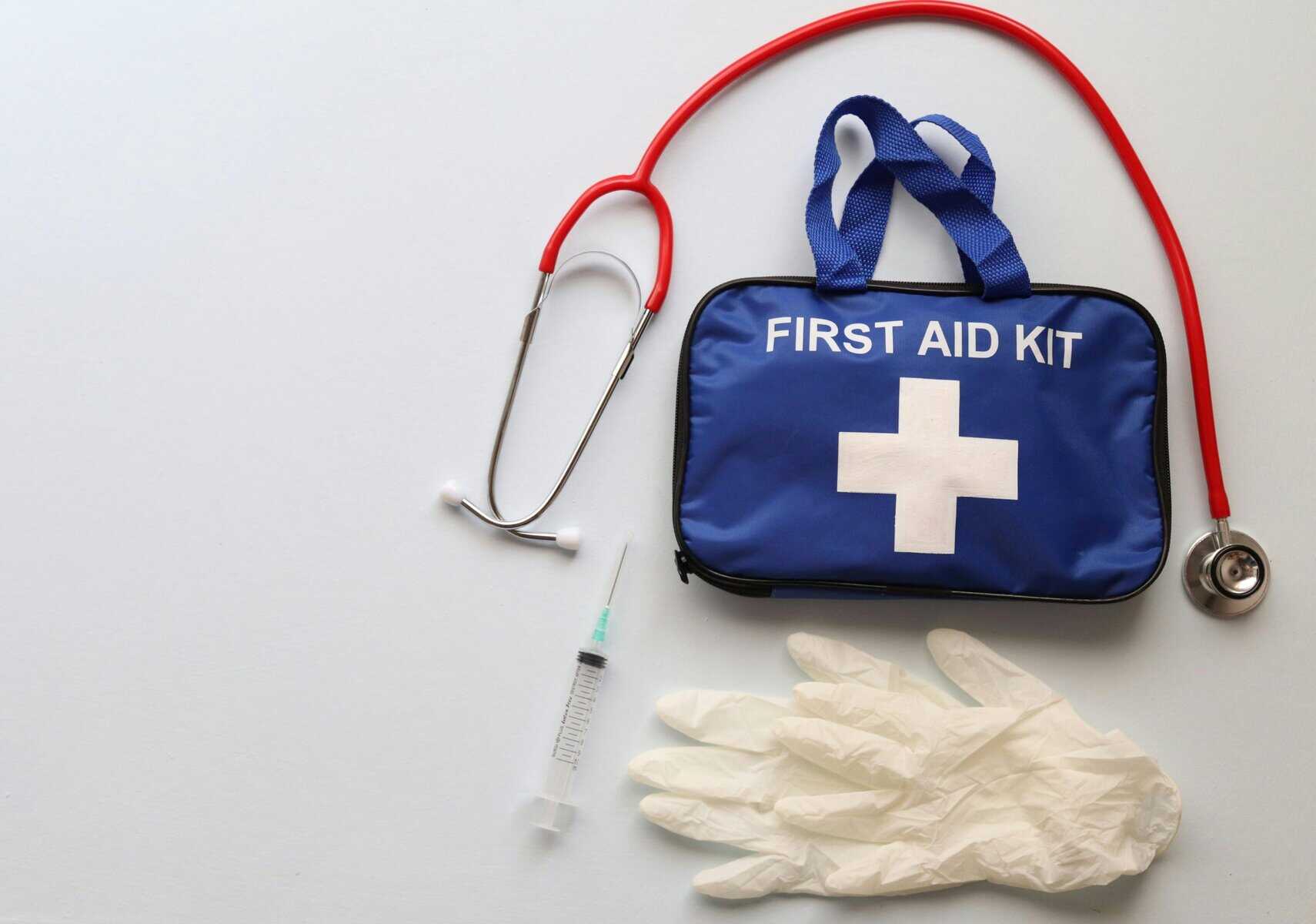
- A basic first-aid kit including gauze, medical tape, and tweezers
Additionally, consider carrying a list of your medical conditions, allergies, and emergency contacts.
- Get Travel Insurance
This is essential. Travel insurance can save you from significant expenses and stress if you face health issues while travelling. Ensure your policy covers health problems and emergencies, and thoroughly review the coverage details, including any exclusions and the process for filing a claim.
On the Road: Staying Healthy
Maintaining your health while travelling involves a combination of good practices and staying vigilant.
Food and Water Safety
Food and waterborne illnesses are among the most common travel health problems. To minimize your risk:
Drink bottled or purified water and avoid ice in drinks if you’re unsure of the water source.
Be cautious with street food; opt for vendors that cook food fresh and hot.
Wash your hands regularly, especially before eating. Use hand sanitiser when soap and water aren’t available.
Stay Hydrated and Nourished
Travelling can be dehydrating, especially in hot climates or at higher altitudes. Carry a reusable water bottle and drink plenty of fluids. Opt for balanced meals with fruits and vegetables to maintain energy levels.
Keep Active but Rest When Needed
Exploring new places often means lots of walking, which is great for your health. However, it’s essential to listen to your body. Take breaks when necessary, and ensure you get adequate rest to avoid exhaustion.
Dealing with Minor Health Issues
Even with the best precautions, minor health issues can still occur. Here’s how to manage them effectively.
Traveller’s Diarrhea
This is a common ailment among travellers. If you experience it, stay hydrated, rest, and avoid dairy, caffeine, and alcohol. If symptoms persist for more than a couple of days or you notice blood in your stool, seek medical attention promptly.
Minor Cuts and Scrapes
Clean any wounds with clean water and apply antiseptic. Cover with a band-aid or sterile dressing. Monitor the wound for signs of infection, such as increased redness, or swelling
Sunburn
If you get sunburnt, drink plenty of water, apply aloe vera or after-sun lotion, and stay out of the sun until your skin heals. In Australia, where the sun can be particularly intense, it’s vital to use high-SPF sunscreen and wear protective clothing.
Handling Health Emergencies
In the event of a more serious health issue, it’s crucial to know what steps to take.
Know the Local Emergency Numbers
Not every country uses 000 like Australia. Familiarize yourself with the emergency number for your destination before you go.
Visit the Nearest Hospital or Clinic
If you’re in a city or town, head to the nearest hospital or clinic. In remote areas, this might involve contacting local authorities for assistance.
Contact Your Travel Insurance Provider
Most travel insurance companies offer a 24/7 emergency hotline. They can assist in coordinating medical care and, if necessary, arrange for medical transport.
Mental Health Matters
Travelling can sometimes take a toll on mental health, especially when you’re far from home and familiar comforts.
Stay Connected
Staying in touch with loved ones back home can alleviate feelings of loneliness or homesickness. Use technology to make regular calls, send messages, or video chat.
Take Time for Yourself
Travelling can be overwhelming. Ensure you schedule downtime to relax and enjoy your surroundings at a leisurely pace.
Seek Help if Needed
If you’re experiencing significant stress, anxiety, or depression, seek professional help. Many countries have mental health services available, and your travel insurance might cover these services.
Special Considerations for Mature Travellers
Mature travellers might have additional health considerations to keep in mind.
Travelling with Chronic Conditions
If you have a chronic condition, carry a letter from your doctor detailing your condition and medications. Ensure you have enough medication for the entire trip, plus a bit extra in case of delays. Additionally, research medical facilities at your destination.
Mobility and Accessibility
If you have mobility issues, plan your trip with accessibility in mind. Check if your accommodations and planned activities are accessible. Don’t hesitate to request assistance when needed.
Here are a few extra tips and resources to help you stay healthy on your travels.
Travel Vaccinations and Health Advice
Visit your local travel clinic or GP well before your trip to discuss any vaccinations or health advice you might need. Websites like the Australian Department of Health offer detailed information on travel health.
Health Apps and Tools
Consider downloading health-related apps. Apps like First Aid by the Australian Red Cross provide valuable information and instructions in case of an emergency.
Stay Informed
Keep an eye on the news for any health advisories at your destination. Websites like the Australian Department of Foreign Affairs and Trade (DFAT) provide up-to-date travel health information.
Travelling is an enriching experience, and while health concerns are valid, they shouldn’t deter you from exploring new destinations. With thoughtful preparation, common-sense precautions, and knowledge of what to do in an emergency, you can handle most health issues that may arise. So, pack your bags, embark on your adventure, and relish every moment – just remember to bring your travel health kit!
Love MyLifestyle