
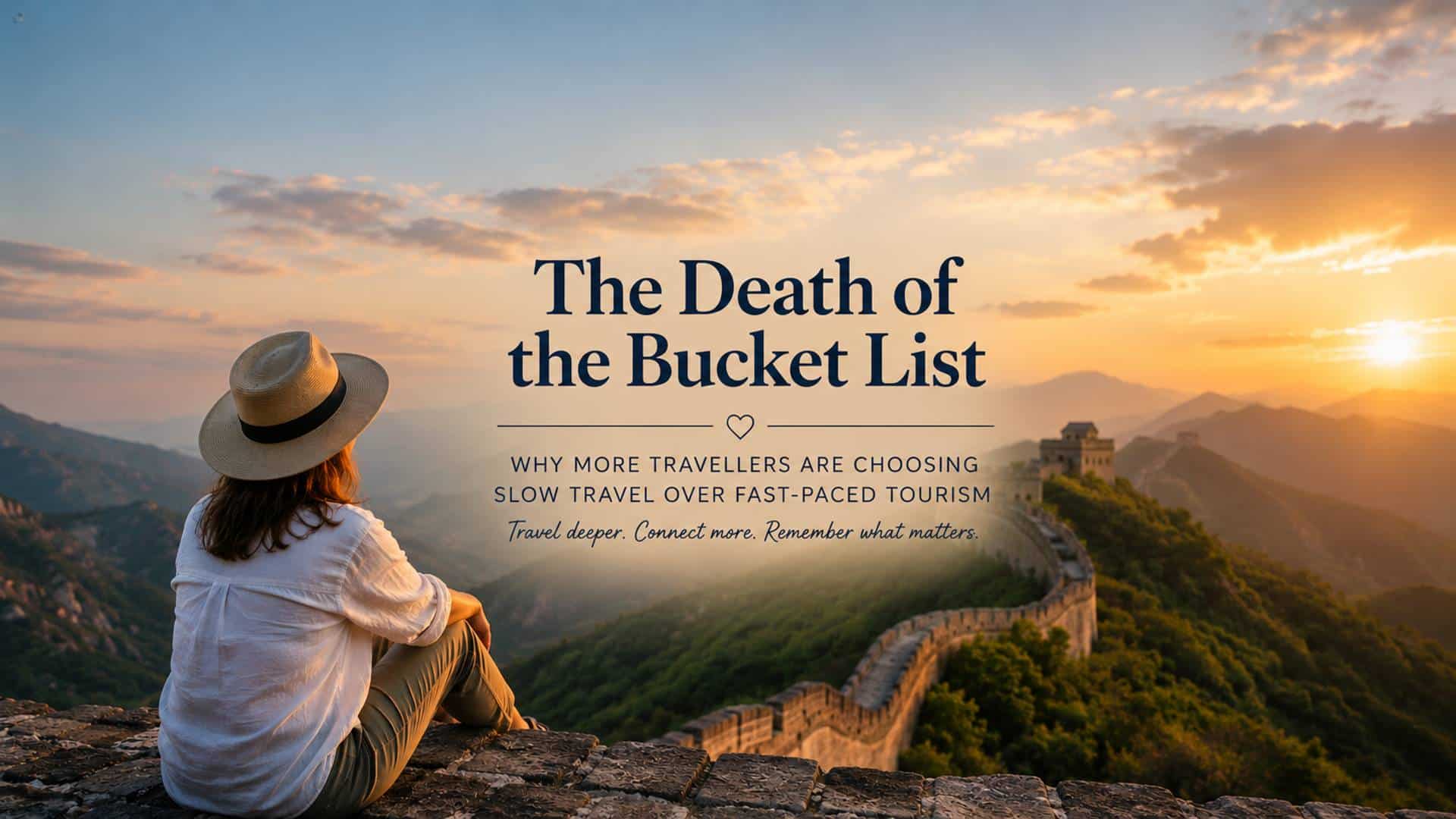
The Death of Bucket List Travel and the Rise of Slow Travel
Is bucket list travel ruining the way we experience the world?
Discover why more travellers are embracing slow travel, meaningful experiences, and deeper connections over rushed itineraries.
When Travel Became More About Checklists Than Experiences
I was recently asked how many countries I had visited and instead of answering the question, I replied by saying there are still more than 100 I have not been to.
Now that might sound impressive in some strange way, but the truth is, out of the countries I have visited, there are many I never truly experienced at all. I saw them. Photographed them. Moved through them. But experiencing a place properly is something very different.
For years, travel became about movement. More countries. More flights. More famous landmarks. More photos proving I had been there.
Like many travellers, I carried around a mental checklist of places I believed I needed to see before life became too busy, too expensive, or too complicated. There was always another destination waiting somewhere over the horizon and at the time that felt exciting.
Bucket lists gave people something to dream about. They pushed us outside our comfort zones and reminded us there was a bigger world beyond our routines.
But sometimes I wonder if not every comfort zone actually needs to be pushed quite so hard.
The Great Wall of China had been on my list for a very long time. So when we started planning a trip to China, visiting the Wall was one of those experiences that felt non-negotiable. It was the sort of thing you grow up believing you simply have to do at least once in your life.
At the time, I had not yet had my knee replacements and my knees were already making it very clear they did not appreciate difficult walks. So naturally, I researched what was supposed to be one of the easier access points onto the Wall. I organised a private driver and guide thinking I had carefully outsmarted the problem.
Or so I thought.
We left early in the morning to avoid the crowds and weather and after a couple of hours driving, we arrived at the base of what looked less like a tourist attraction and more like the beginning of a mountain expedition.
Standing there looking up at this steep incline, my heart honestly sank. The worst part was you could not even see the Great Wall from where we were standing.
My guide smiled confidently and assured me it was just a short walk. That “short walk” nearly finished me.
Up we went. Then further up. Then somehow even further again. My muscles were burning, my knees were screaming, and every few minutes I questioned why I was putting myself through this in the first place. But there is also a stubborn side of me that quietly refuses to quit once I have committed to something. Eventually, after what felt like forever, we reached a point where I could finally see the Wall stretching across the mountains in the distance.
I remember quietly sitting under a tree trying to recover. I was done I could not go any further and at least I could see it while also realising I still had to somehow make it back down again afterwards.
That was the moment my husband decided to become a motivational speaker. “You’ve come this far,” he yelled. “You are climbing the Great Wall even if I have to carry you. To this day, I honestly do not know how I managed it, but somehow, I did climb those final steps. And the moment I finally stepped onto the Great Wall, I completely broke down crying. Not graceful tears either. Full emotional collapse.
Even now I am not entirely sure whether it was the pain, the relief, exhaustion, pride, or simply the strange emotional release of finally ticking something off a list that had lived in my head for years.
But looking back now, I think that moment quietly changed something in me. Because while I will never regret standing on the Great Wall, I also realised afterwards that some of my most meaningful travel memories had absolutely nothing to do with famous landmarks at all.
Is Bucket List Travel Ruining the Way We Experience the World
These days travel often feels more like a race than an experience.
Everywhere you look there are lists telling people where they need to go, what they need to see, and how much they should cram into a two-week holiday. Social media is flooded with hidden gems, perfect photo spots, and must do experiences that somehow everybody else is already doing as well.
Sometimes I look at these itineraries and honestly feel exhausted just reading them. Five cities in seven days. Sunrise tours followed by late-night food markets. Long travel days mixed with rushed sightseeing and barely enough time to actually absorb where you are before moving onto the next place.
That is one of the reasons my thinking around travel slowly started changing. The more we travelled, the less interested we became in trying to see everything. Instead, we became more interested in how a place actually felt. That shift quietly changed the way we now organise our travels and even the way I approach content on MyLifestyle.au.
That is also why many of the itineraries I now create focus less on frantic sightseeing and more on immersion. Not just seeing a place. Feeling it. Understanding the rhythm of it. Leaving enough space for unexpected moments instead of scheduling every hour of the day.
Because looking back now, the places that stayed with us most were rarely the ones where we saw the most. They were usually the places where we slowed down enough to actually experience them.
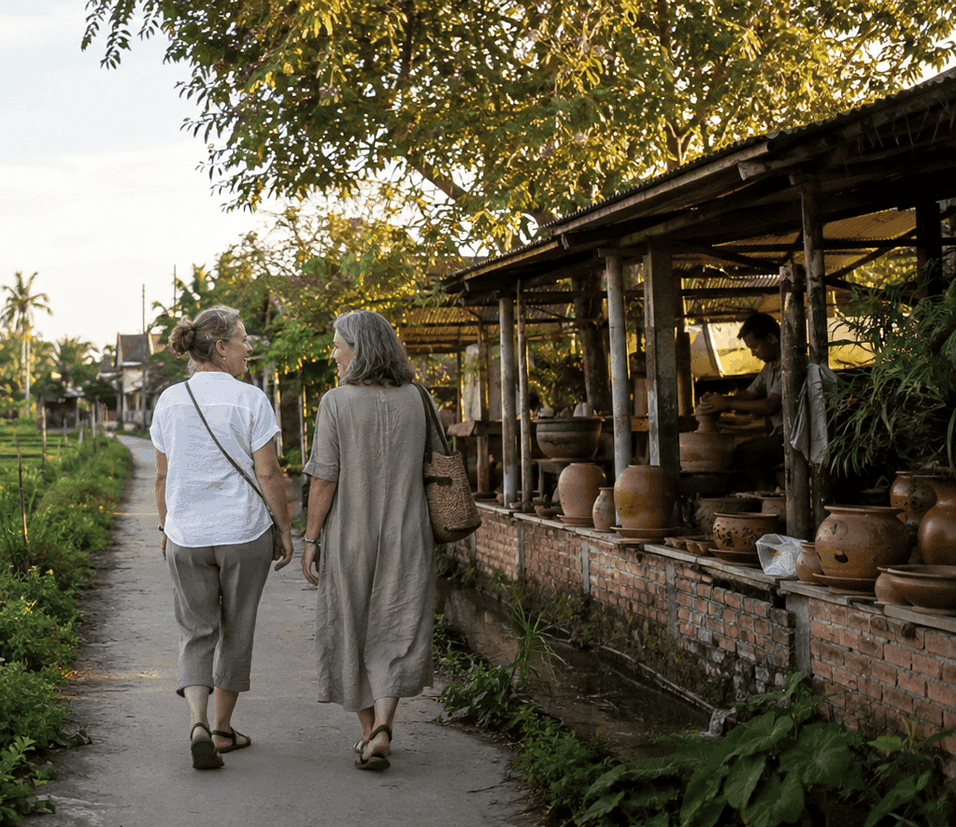
The sound of scooters early in the morning. The same lady watering plants outside her shop each day. The café owner who eventually remembers your coffee order. The familiar faces you begin recognising without ever properly meeting. Those moments rarely appear on travel itineraries. Yet somehow, they become the memories that stay with you the longest.
The Problem with Modern Travel Culture
One of the saddest things about modern travel culture is how difficult it has become for people to simply sit still and experience where they are. Phones out. Notifications on. Filming everything. Researching the next destination before fully experiencing the current one. Even sunsets now seem interrupted by people trying to capture them properly.
Travel has become strangely performative. Sometimes it feels like travellers are under pressure to prove they are having an incredible experience rather than quietly enjoying one.
And the irony is that many of the best travel moments usually happen when nothing much was planned at all.
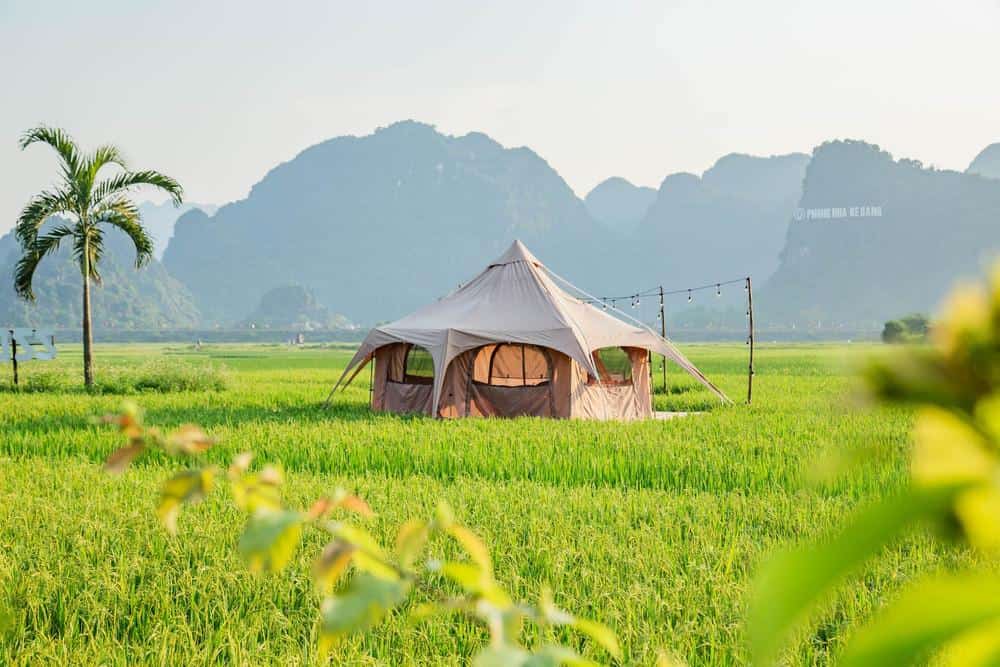
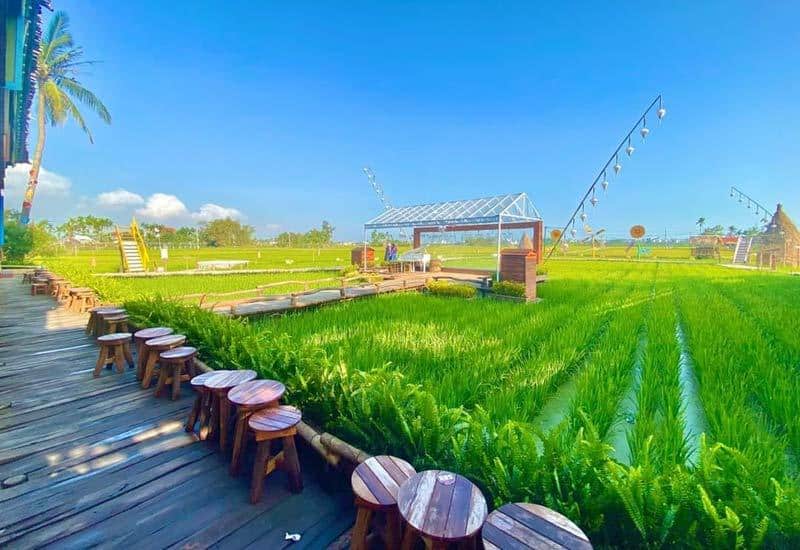
I was recently told about a café hidden in the middle of a rice field. That alone was enough to make me curious, so off I went.
Even getting there felt like part of the experience. My driver stopped several times asking for directions before eventually dropping me near what looked like nothing more than a narrow dirt path disappearing through the rice fields. I started walking, still not entirely sure where I was going or what I was expecting to find.
After about ten minutes, a small rustic building slowly appeared in the distance. That was my first glimpse of Café Nghe. Walking inside felt like stepping into another world.
The café itself was simple. Low wooden chairs facing out across the rice fields. No loud music. No crowds trying to take the perfect photo. Just the quiet sound of nature mixed with soft music gently playing in the background.
Out in the field, a farmer was slowly tending the crops while nearby a water buffalo stood patiently waiting for its next instruction. Nothing about the experience felt rushed.
Yes, the coffee was excellent. The food was beautiful as well. But honestly, that is not what stayed with me afterwards.
What I remember most was the feeling. The calmness. The stillness. The atmosphere of peace that seemed to completely slow the world down for a little while.
It reminded me that some of the best travel experiences are not always the famous landmarks or the places everybody else is racing to photograph.
Sometimes they are simply the places that make you stop, sit quietly, and feel completely present in the moment.
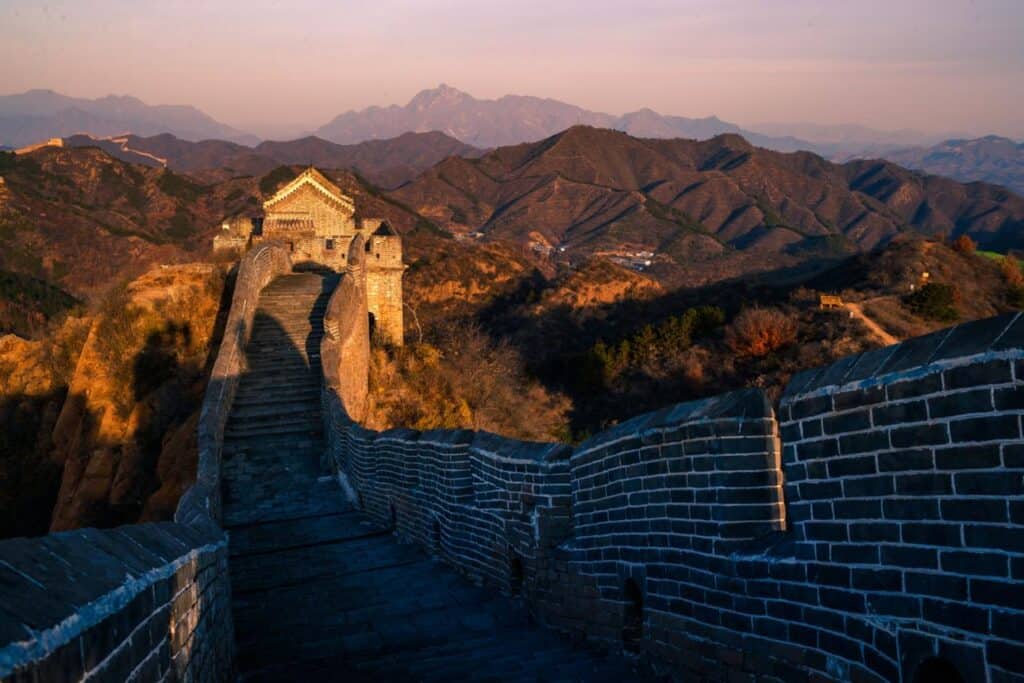
Why More Mature Travellers Are Choosing Meaningful Travel
I think many travellers naturally change the way they travel as they get older. Adventure still matters. Curiosity never disappears. But priorities slowly shift. You stop needing every day to feel spectacular.
Sometimes the perfect travel day becomes a quiet café, an ocean view, a comfortable apartment, a good conversation, or simply having nowhere urgent to be.
The older I get, the less interested I seem to become in collecting countries and the more interested I become in understanding how a place actually feels. That is a very different kind of travel.
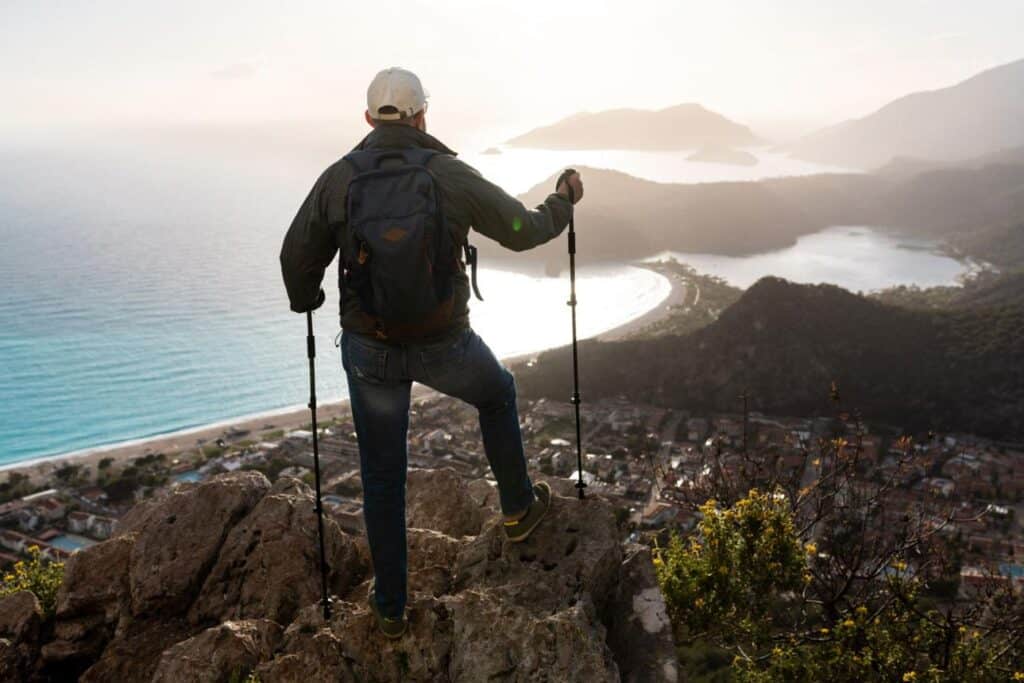
The Real Luxury of Slow Travel Is Time
For many people, luxury travel still means expensive hotels, business class flights, and five-star resorts. But I honestly think the real luxury now is time.
Time to stay longer. Time to notice things. Time to stop rushing. Time to feel familiar somewhere. Slow travel is not about laziness. It is about depth.
It is about giving experiences enough space to unfold naturally instead of forcing everything into a tightly controlled itinerary. In many ways, slow travel feels less like tourism and more like temporarily living somewhere else for a while. And for us, that has become far more rewarding.
I have always believed one of the most important things we can do in life is help other people where we can. Over the years I have volunteered in many different roles, sharing my knowledge, experience, and skills, never really expecting anything in return. It is simply part of how I try to live my life. I firmly believe what goes around comes around.
One of the beautiful things about travel, especially when you stay somewhere longer, is that friendships slowly begin to form in the most unexpected ways.
A colleague here, who has since become a great friend, recently sent me a message saying, Be ready at 2.30pm. I’m picking you both up and we are going on an adventure. No explanation. No tourist brochure. No carefully planned itinerary. Just trust.
Right on time he arrived and off we went, chatting as we drove further away from the city and gradually towards the mountains outside Da Nang. About forty-five minutes later he slowed the car, turned down a small dirt road, and finally stopped.
We had arrived at Bana Rita Farm. Now this is the type of place most tourists would probably never find. Tucked away quietly in the mountains, the farm had a small river where local children were splashing and laughing in the water, a tiny petting farm with goats, rabbits, and sheep wandering nearby, and several glamping tents for people wanting to stay overnight.
But what really caught my attention was the orchard. Everywhere you looked there were fruit trees, vegetables, herbs, and flowers growing naturally around the property. The local gardener simply smiled and told us to pick whatever we liked.
No rush. No crowds. No queues. Just people enjoying a beautiful place together.
We eventually sat down overlooking the farm drinking freshly squeezed juice, which amusingly was included in the entry fee. My friend had brought snacks with him and for the next few hours we simply relaxed, talked, laughed, and enjoyed each other’s company surrounded by nature.
And honestly, those are often the moments I remember most from travelling. Not the famous landmarks. Not the places everybody lines up to photograph. But the unexpected afternoons, the hidden places out of the way, and the friendships that somehow lead you there in the first place.
Maybe Travel Was Never Meant to Be Completed
I still understand why people create bucket lists and to be honest, I still have plenty of places I would love to see myself. But these days I no longer feel the same pressure to rush through the world trying to collect destinations like achievements.
Travel has become something very different for me now. It is less about how much I can fit into a trip and more about how a place makes me feel while I am there. Some places impress you for a few hours.
Others quietly stay with you for years. Not because they were famous or spectacular, but because of how life felt while you were there. The people you met. The conversations you had. The calmness of an ordinary afternoon. The feeling of being completely present for a moment instead of already thinking about the next destination.
Looking back now, I think the real gift of travel is not simply seeing the world. It is allowing the world to slowly change you along the way.
That is also one of the reasons behind MyLifestyle.au and the way I create many of our itineraries and travel ideas. I try to design experiences with immersion in mind, not just sightseeing.
Yes, there will always be beautiful places worth seeing, but we also leave room for slower mornings, hidden cafés, local connections, unexpected moments, and the simple experiences that often become the most meaningful memories of all.
Because one day you eventually realise the world was never something to conquer, complete, or tick off a list. It was something to feel. And in the end, the places that truly change us are rarely the ones where we saw the most. They are the places where, for a little while, we felt most alive.
If you are looking for a different style of travel, Sheridan-Leigh from MyLifestyle.au also creates personalised slow travel itineraries designed around the way you want to experience the world.
Not rushed checklists or exhausting schedules, but thoughtfully planned journeys that leave room for connection, atmosphere, hidden places, local experiences, and the unexpected moments that often become the best part of travelling.
Because sometimes the perfect itinerary is not the one that helps you see more. It is the one that helps you feel more.
About the Author:
Sheridan-Leigh is the passionate voice behind the MyLifestyle Blog, where life is celebrated with vibrant stories and insightful travel tips. With a deep love for slow travel, she believes in truly experiencing each destination, creating connections beyond the surface. Her blog is a blend of personal stories, expert advice, and a philosophy that life is for living to the fullest and is rich with opportunities for growth and adventure. Join Sheridan-Leigh as she shares her journey, inspiring others to embrace life, travel deeply, and live fully.
Below are some recent travels on an interactive map.
Alternatively, view the full interactive travel journey at MyLifestyle Travel Map