
Exploring the World at Your Own Pace: Slow Travel
Have you ever felt like your vacations are more of a sprint than a marathon? Rushing from one landmark to another, snapping quick pics, and barely getting a taste of the local culture? Maybe it’s time to switch gears and dive into the world of slow travel. This isn’t just a way to travel; it’s a way to truly experience and savour every moment of your journey.
Understanding Slow Travel
Slow travel is all about embracing the journey at a leisurely pace. Picture yourself settling into a charming town for a couple of weeks, rather than hopping from one city to another in a frenzied dash. It’s where the local café’s barista greets you by name, and you have the luxury to meander through less-trodden paths, truly absorbing the essence of the locale. This approach encourages you to linger, engage, and forge a meaningful bond with your destination.
Key Benefits of Slow Travel:
- Deeper Cultural Immersion: Spend enough time in one place to understand its culture, traditions, and way of life.
- Personal Connections: Build genuine relationships with locals, learning their stories and sharing experiences.
- Reduced Stress: Without the need to rush from one attraction to another, your travel becomes a source of relaxation and rejuvenation.
- Environmental Sustainability: By traveling less and staying longer, you contribute to reducing the carbon footprint associated with frequent flights and travel.
- Economic Impact: Longer stays in a community mean more opportunities to support local businesses and economies.
- Authentic Experiences: Discover the hidden gems that aren’t listed in every guidebook, offering a unique perspective on your destination.
- Mindful Travel: With a focus on quality over quantity, slow travel allows you to appreciate the small, often overlooked details that make a place special.
Slow travel isn’t just a way to see the world; it’s a way to truly experience and connect with it, leaving you with memories and insights far richer than any whirlwind tour could offer.
The Rising Popularity of Slow Travel
Slow travel is gaining traction for its emphasis on forging authentic connections and experiences. In a world that often values speed and efficiency, this approach to travel stands out for its invitation to pause and engage deeply with the surroundings. Here’s why it’s becoming a preferred way to explore:
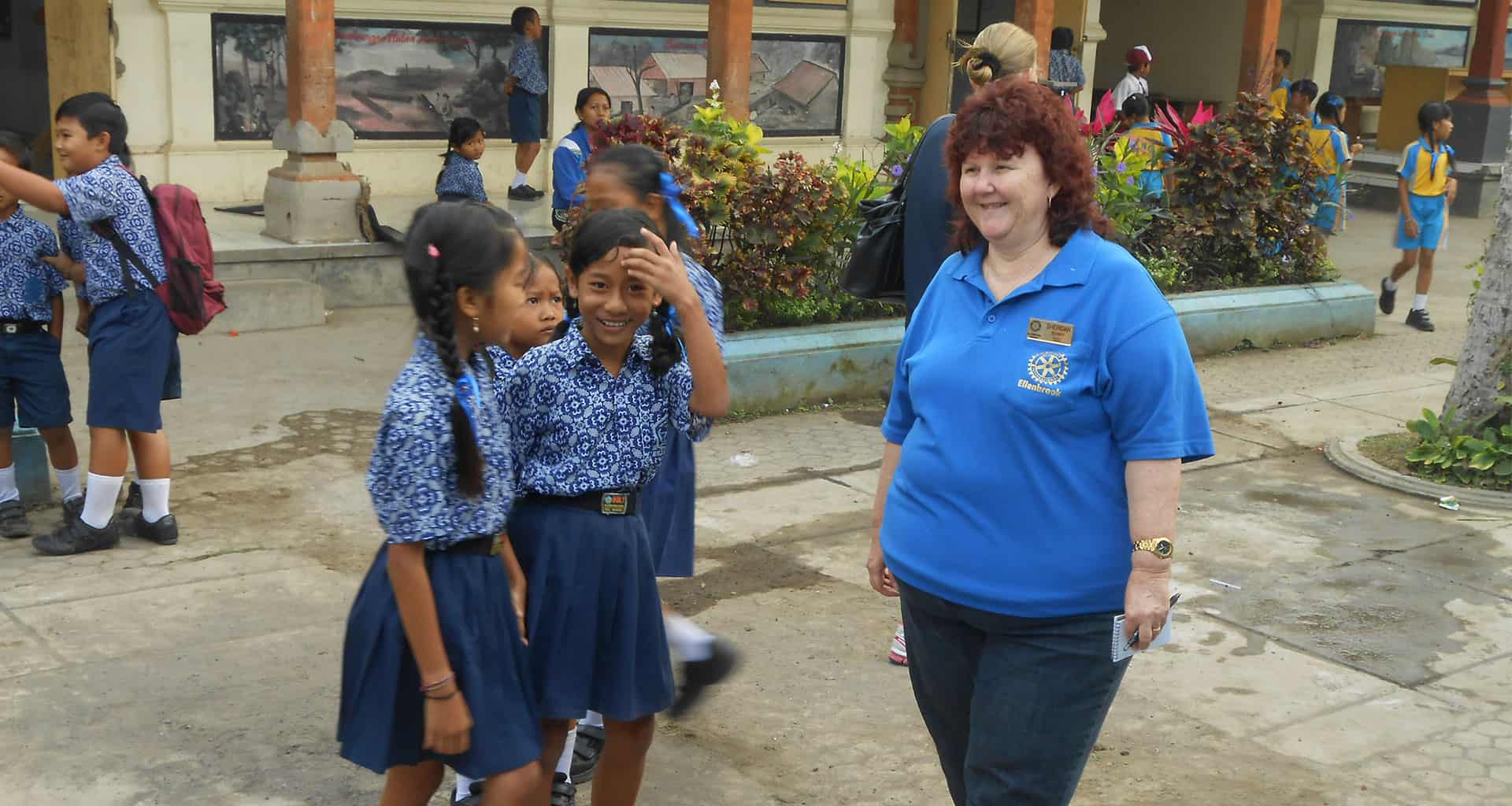
Authentic Human Connections: The leisurely pace of slow travel opens opportunities for meaningful conversations and interactions with local residents. It’s these personal connections that often become the highlight of a journey, offering insights into the local way of life and forging friendships that can last a lifetime.
This shift towards more immersive and meaningful travel experiences is a response to the desire for travel that goes beyond mere sightseeing, offering deeper understanding and personal growth. Remember, this is all about slowing down. Don’t feel pressured to see everything. Enjoy what you do see and experience.
How to have a slow travel experience
- Plan with Flexibility in Mind
- Start with a Broad Outline: Identify a region or a couple of key places you’re drawn to, but don’t overbook your itinerary. For example, choose Tuscany in Italy but leave open which towns you’ll explore.
- Research Local Events: Look for local events or festivals happening during your stay, like a weekly market or a traditional celebration, to give you a taste of local life.
- Embrace Serendipity: Allow for days with no plans. Some of the best experiences come from stumbling upon a quaint café, a hidden garden, or a local artisan’s workshop.
- Choose Local Accommodations
- Opt for Character Over Hotel Chains: Seek out places with local charm like a family-run bed and breakfast in Provence or a traditional Ryokan in Japan. These accommodations often offer insights into local life and architecture.
- Use Local Platforms: Platforms like Airbnb or local rental websites can offer unique stays like a cozy apartment in the heart of Barcelona or a cottage in the English countryside.
- Connect with Your Hosts: Engage with your hosts for local recommendations. They might invite you to a family dinner or suggest hidden gems not found in guidebooks.
- Dive into the Local Cuisine and Crafts
- Eat Where Locals Eat: Skip the tourist traps and find where locals dine. In places like Vietnam, this might mean street food stalls with the best Pho. Use apps like TripAdvisor or local food blogs for tips.
- Shop Local Markets: Markets are treasure troves of local culture. From the floating markets in Thailand to farmers’ markets in small American towns, you’ll find local produce, crafts, and more.
- Take a Local Cooking Class: Immerse yourself in the culinary culture by taking a cooking class. In cities like Marrakech or Florence, you can often find classes that include a market visit and cooking traditional dishes.
- Communicate with Heart
- Use Technology Wisely: Google Translate can be a lifesaver in tricky situations. Don’t rely on it entirely, but it can help in understanding menus, directions, or making new friends.
- Body Language Goes a Long Way: Smile, be polite, and use gestures. Often, a smile can be as welcoming as a thousand words.
- Learn Basic Phrases: Even if it’s just ‘hello’, ‘please’, and ‘thank you’, knowing a bit of the local language goes a long way in connecting with people. Use apps like Duolingo or phrasebooks to brush up before you go.
Language | Hello | Please | Thank You |
Vietnamese | Xin chào | Làm ơn | Cảm ơn |
Spanish | Hola | Por favor | Gracias |
French | Bonjour | S’il vous plaît | Merci |
Italian | Ciao | Per favore | Grazie |
Japanese | こんにちは (Konnichiwa) | お願いします (Onegaishimasu) | ありがとうございます (Arigatou gozaimasu) |
Mandarin Chinese | 你好 (Nǐ hǎo) | 请 (Qǐng) | 谢谢 (Xièxiè) |
German | Hallo | Bitte | Danke |
Thai | สวัสดี (Sawasdee) | กรุณา (Karunaa) | ขอบคุณ (Khob khun) |
Russian | Здравствуйте (Zdravstvuyte) | Пожалуйста (Pozhaluysta) | Спасибо (Spasibo) |
Hindi | नमस्ते (Namaste) | कृपया (Kripya) | धन्यवाद (Dhanyavad) |
- Embrace the Slow Pace
- Quality Over Quantity: Instead of trying to tick off every “must-see,” pick a few places and spend time there. For instance, spend a day exploring the nooks and crannies of a single neighbourhood.
- Find Your Ritual: Whether it’s a morning coffee in a local café watching the world go by or an evening stroll along the river, find a daily ritual that helps you connect with the pace of local life.
- Journal Your Experiences: Take time each day to jot down experiences, thoughts, and feelings. This not only helps you process your experiences but also creates a beautiful souvenir of your journey.
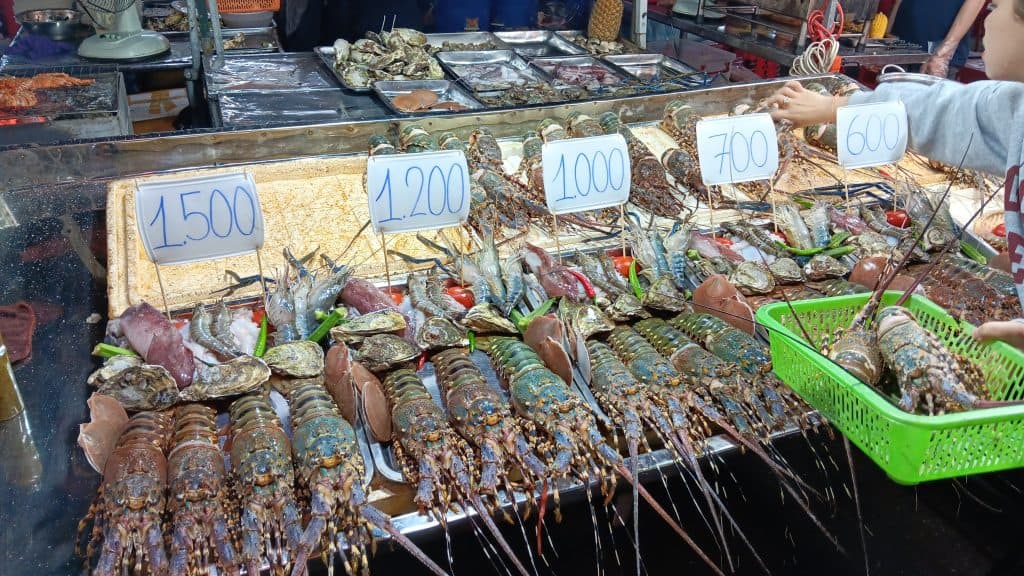
A Step-by-Step Example in Vietnam
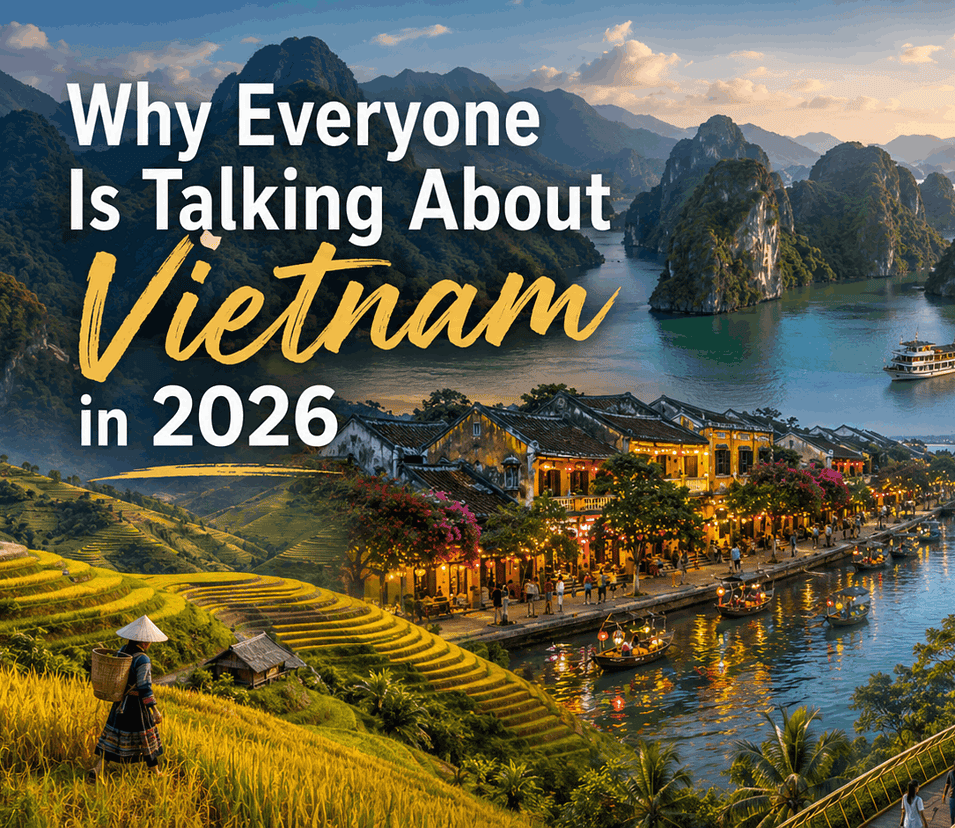
Destination Selection: Choose Vietnam as your destination, focusing on the ancient town of Hoi An. Instead of trying to cover multiple cities, dedicate your time to this UNESCO World Heritage Site known for its well-preserved Ancient Town, cut through by canals.
Accommodation: Opt for a homestay or a boutique guesthouse in or near the Old Town. This allows you to experience the local hospitality and enjoy homemade Vietnamese breakfasts, often included in your stay.
Daily Activities: Create a balanced itinerary that includes a mix of exploring the lantern-lit streets of Hoi An, bicycle tours to the nearby rice paddies, and leisure days to simply enjoy the ambiance of the town. Don’t miss the opportunity to visit the local beaches like An Bang Beach for a relaxing day by the sea.
Local Interaction: Spend a morning at the Hoi An Central Market, where you can mingle with locals, purchase fresh ingredients, and even try your hand at bargaining. Enjoy meals at small eateries along the streets serving local specialties like Cao Lau (a regional noodle dish) to truly eat like a local.
Cultural Immersion: Enrol in a Vietnamese cooking class where you can learn to prepare traditional dishes such as Pho, Banh Xeo (sizzling pancakes), or spring rolls. Many classes include a market tour to introduce you to the local ingredients. In the evenings, stroll along the Thu Bon River, enjoy the sight of the floating lanterns, and perhaps participate in a lantern-making workshop to delve deeper into the local crafts.
By focusing your slow travel experience in Hoi An, Vietnam, you can immerse yourself in the rich tapestry of Vietnamese culture, cuisine, and community life, creating a travel experience that is as rewarding as it is memorable.

Where to Slow Travel
The world’s your oyster when it comes to slow travel. Whether it’s a quaint village in the Italian countryside, a sleepy seaside town in Vietnam, or a vibrant neighbourhood in your own country, there’s no shortage of places to explore at a leisurely pace.
Exploring a Thai Village: A Slow Travel Real-life story
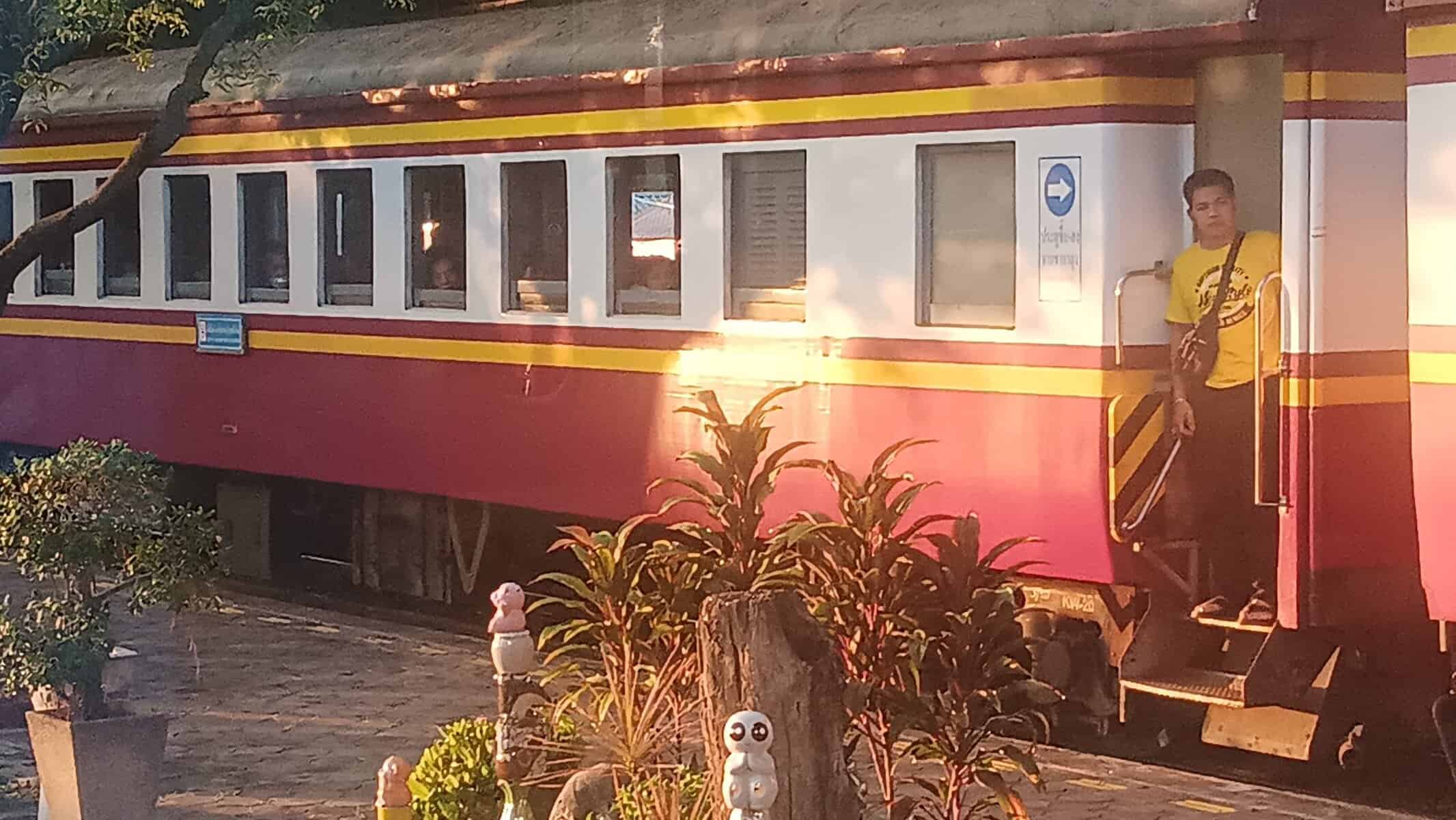
Let me share a heartwarming experience I had in a small village in Southern Thailand. I spent two weeks in this serene place, nestled among lush rice paddies and rolling hills. My accommodation was a cozy hotel run by a local family. Each morning, I was greeted with warm smiles and delicious homemade Thai breakfast.
The village life was beautifully simple. I spent days walking around, exploring the scenic countryside, and evenings were for savouring street food at the local market. The villagers were incredibly welcoming, inviting me to join in their daily activities. I learned traditional Thai cooking from a local grandma, who, with only a few words of English and lots of gestures, taught me how to make the perfect Pad Thai.
This slow-paced exploration allowed me to appreciate the beauty of simple living and the warmth of human connections. It wasn’t just a visit; it was an immersion into a way of life vastly different from my own, and yet so welcoming and familiar in its human warmth.
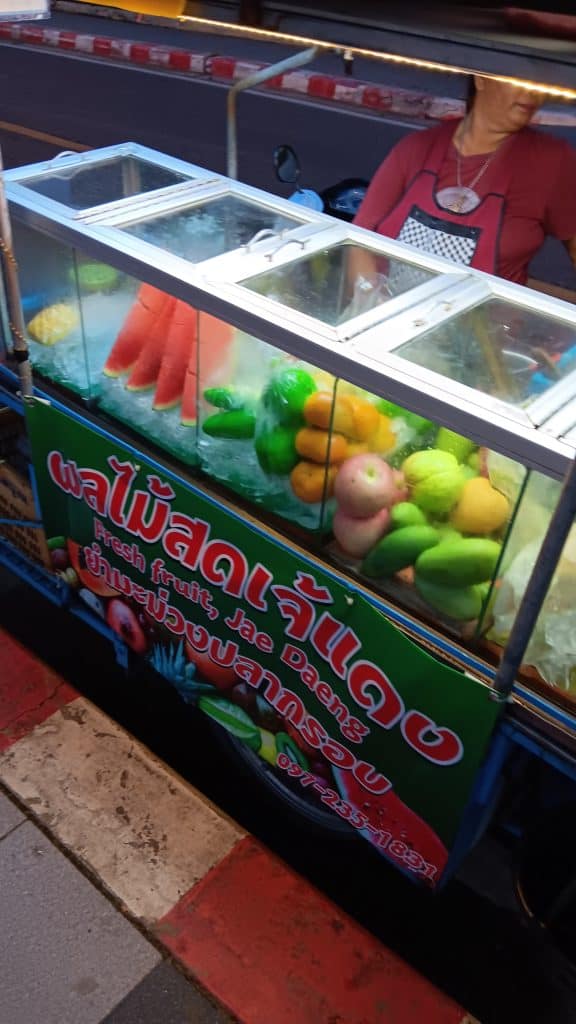
Financial Advantages of Slow Travel
One of the most appealing aspects of slow travel is its potential for cost savings, making it an economically smart choice for travellers. Unlike traditional tourism, which often involves hopping quickly from one destination to another, incurring significant costs along the way, slow travel adopts a more cost-effective approach. Here’s how slow travel can be kinder to your wallet:
- Reduced Transportation Costs: By focusing on a single location or region and minimizing the need for multiple flights, train rides, or bus trips, you can significantly cut down on one of the biggest travel expenses.
- Accommodation Savings: Staying in one place for a longer period often allows you to negotiate better rates for accommodations. Many hotels, Airbnb hosts, and guesthouses offer discounted rates for extended stays, which aren’t available for short-term tourists.
- Economical Eating: Slow travellers tend to eat out less frequently, opting instead for local markets and grocery stores where they can buy fresh ingredients to prepare meals. This not only offers a deeper cultural experience but also slashes the daily cost of eating out at restaurants.
- Local Transportation: With no rush to tick off all the sights, you can choose more economical modes of transportation like biking, walking, or using local public transport, rather than relying on expensive taxis or rental cars.
- Cultural and Recreational Activities: Immersing yourself in the local community often leads to discovering free or low-cost entertainment options like community events, local festivals, and public performances that aren’t always well-known to short-term tourists.
- Avoiding Tourist Traps: Slow travel allows you to steer clear of overpriced tourist attractions and instead enjoy the authentic, and often free, experiences that a destination has to offer, like exploring nature trails, visiting local parks, or enjoying public beaches.
- Value of Experience Over Souvenirs: Slow travellers tend to value experiences over material souvenirs, leading to savings on items that might not hold long-term value or meaning.
Slow travel not only enriches your travel experience but also offers a sustainable financial model that can make longer trips more accessible and reduce the overall cost of traveling. By spending less on the move and more time in each place, travellers can enjoy a richer, deeper experience without breaking the bank.
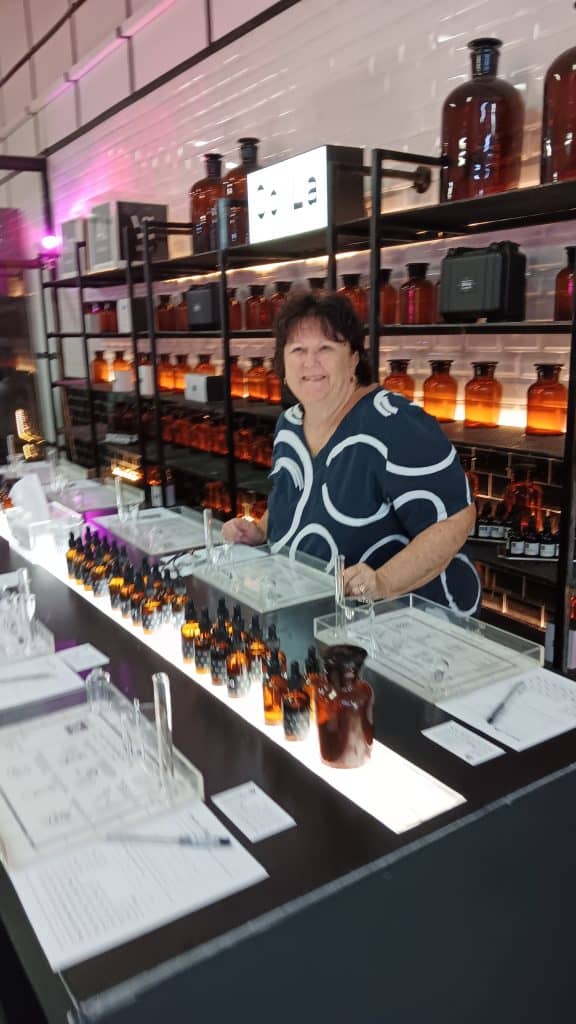
More Than Just Travel
Slow travel goes beyond just seeing new places. It’s about experiencing life through a different lens. It’s about taking a moment to sit back, relax, and let the world reveal itself to you in its true colours. It’s about forming bonds that last a lifetime and stories that you’ll be telling for years to come.
In a world that’s always rushing, slow travel is a reminder that sometimes, the best way to move forward is to slow down. It teaches us to appreciate the small things, to be present in the moment, and to cherish our experiences over possessions.
Slow travel isn’t just a way to see the world; it’s a way to experience it. It’s about creating memories that are about more than just ‘been there, done that’. It’s about feeling, learning, and connecting. So, next time you’re planning a trip, consider taking it slow. Trust me, it’s worth it!
Loving MyLifestyle…Sheridan-Leigh