


What to Check Before Booking Long Stay Accommodation Overseas
How to Look Beyond the Photographs and Choose a Place That Works
Finding accommodation for a short holiday is relatively simple. You want somewhere clean, comfortable and reasonably close to the places you plan to visit.
Booking somewhere to live for several weeks or months is very different. The features that seem unimportant during a three-night stay can become daily frustrations when you are staying long-term. A small refrigerator, uncomfortable chair, noisy building or expensive electricity rate may not ruin a weekend, but they can make several months surprisingly difficult.
A beautiful swimming pool and impressive photographs are appealing, but long-stay accommodation needs to function as a home.
We once booked an apartment in Jomtien, Thailand, for a two-month stay. The photographs looked impressive, and the description said it was fully equipped, which was important because we did not want the additional expense of buying appliances and household items.
The apartment appeared small in the photographs, but we thought it would be manageable for a few months. The real selling point was the pool area a large, sunny pool with walk-in steps, deckchairs and plenty of space to relax. It looked ideal.
What we found when we arrived was very different. The complex consisted of three separate high-rise buildings, and our apartment was on the 45th floor of the building furthest away. That alone was not a problem. The real shock was discovering that the entire apartment measured only 16 square metres. Certainly not was mentioned in the booking details
The meaning of fully equipped was equally surprising. The apartment contained one flat sheet, a kettle, a single chair and a portable cooktop that had to be used outside. There were no plates, no cutlery and none of the basic kitchen items we reasonably expected.
I tried to remain positive. I told myself I could spend much of the day working beside the beautiful pool shown in the photographs. Unfortunately, that pool belonged to Building A, and residents of our building were not permitted to use it. Our pool was positioned between two high-rise buildings, received almost no sunlight and was too cold to enjoy. It did not have any chairs or tables where I could sit and work. After about a week, I started calling our apartment “Cell Block E”.
I contacted the agent and asked whether we could move to another apartment in the complex. I was told that we could not because our contract was with that particular apartment and its owner. I then asked whether the owner could at least supply the kitchen items advertised in the listing, such as plates and cutlery. The answer was no. We were told those items were inexpensive and that we could buy them ourselves.
When I spoke with other residents, I discovered that several were having similar experiences. The promotional photographs had created expectations that their actual apartments and facilities did not meet.
After three weeks, I was miserable and we accepted that we could not continue living there. I did expect to receive a part refund but no such amount was forthcoming. After all we paid for two months and were leaving after three weeks. We inspected other properties in Jomtien and found a beautiful studio apartment opposite the beach. It was genuinely fully equipped, comfortable and exactly what we needed. We happily spent the remainder of our time there.
That experience taught us an expensive but valuable lesson: never assume promotional photographs show the facilities you will actually be allowed to use, and never accept the words fully equipped without asking for a detailed list of what is included.
Before committing to an apartment, hotel or serviced residence overseas, look beyond the nightly price and ask how well the property will support your everyday life.
Although the advice in this article applies to long stays in many destinations, much of it comes from what I have learnt while living in Da Nang, Vietnam. The city offers an enormous range of accommodation, but the difference between enjoying a short holiday and building a comfortable everyday life often comes down to the questions you ask before committing.
I explore these questions in greater detail in my guide, Living in Da Nang, Vietnam, which was written for people trying to move beyond the holiday stage and understand how daily life in the city actually works.
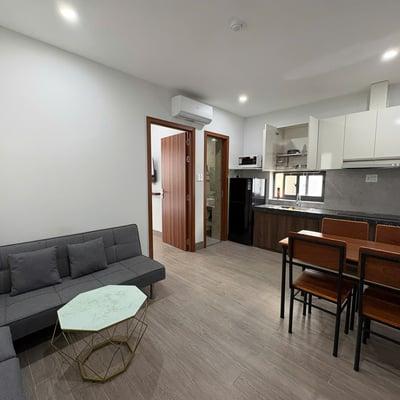
Begin With the Location
A property can look perfect online and still be in the wrong location. Consider what you will need regularly rather than focusing only on tourist attractions. Look for supermarkets, cafés, restaurants, pharmacies, medical services and reliable transport nearby.
A description stating that a property is close to everything tells you very little. Check the actual distances on a map. A ten-minute walk may sound reasonable until you add heat, humidity, heavy traffic, uneven footpaths or bags of groceries.
Also examine the immediate neighbourhood. Is the building located on a busy main road, down a narrow alley or beside an empty block where construction may begin? Does the area feel active and convenient during the day but isolated at night?
This is particularly important in Da Nang, where two apartments with similar prices can provide completely different lifestyles. One may place you within walking distance of cafés, food and the beach, while another may leave you relying on transport for almost everything. Streets can also change considerably between daytime and night.
In Living in Da Nang, Vietnam, I compare the city’s main living areas and explain why the better question is not simply, ‘Where is the best place to live?’ but, ‘How do I want an ordinary day here to feel?’
The cheapest apartment may become less affordable if you need to pay for transport every time you want a meal, groceries or coffee.
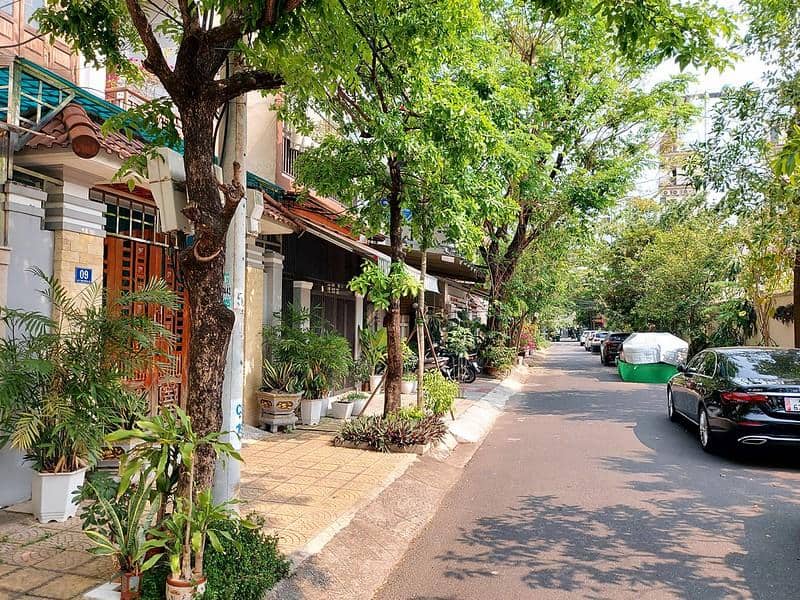
Calculate the Total Cost
The advertised price is not always the total amount you will pay.
Before booking, ask exactly what is included. Depending on the property and country, additional expenses may include:
- Electricity
- Water
- Internet
- Cleaning and linen changes
- Building management or parking fees
- Booking fees and taxes
- Security deposits
- Early departure charges
Electricity deserves particular attention in warm climates where air conditioning may run for much of the day. Some properties charge the standard local rate, while others add a considerable margin.
Ask how electricity usage is measured, what rate is charged and when payment is required. If possible, request an example of a typical monthly electricity bill for an occupied apartment of the same size.
A slightly more expensive property that includes electricity, weekly cleaning and linen may offer better value than a cheaper apartment with numerous additional charges.
Check the Payment and Deposit Conditions
Long-stay bookings may require a substantial deposit or several months’ rent in advance.
Confirm the deposit amount, what it covers, when it will be returned, which payment methods are accepted and what happens if you need to leave early. Do not rely entirely on verbal promises. Ask for the important conditions in writing, even if the arrangement is relatively informal.
When booking privately, make sure you understand who owns or manages the property and obtain a receipt for every payment. Be cautious about transferring a large amount before verifying that the accommodation and the person offering it are genuine.
Look Closely at the Living Space
Wide-angle photography can make a small room appear considerably larger. As we found in Jomtien Decorative cushions and carefully staged dining tables can also distract from what the apartment actually provides.
For a longer stay, look for usable space rather than attractive styling. Is there somewhere comfortable to sit other than the bed? Is the table suitable for eating or using a laptop? Is there enough storage? Can two people move around comfortably? Is there natural light and somewhere to dry washing?
Examine the Bed and Furniture
A bed that feels acceptable for one night may become a problem after several weeks. Ask about the mattress, particularly if you need a certain level of support. Photographs rarely reveal whether it is excessively hard, badly worn or sagging.
Also consider the height of the bed and the comfort of the seating. If possible, inspect the property personally. When that is not practical, request a recent video showing the actual apartment rather than a general promotional video of the building.
Check the Kitchen Properly
The phrase fully equipped kitchen can mean almost anything. A kitchen may look impressive but provide only one saucepan, two plates and a microwave.
Check for a suitably sized refrigerator, freezer compartment, stovetop, cookware, utensils, crockery, kettle, safe drinking water and enough bench space. Think honestly about how often you will cook. A basic kitchenette may be sufficient for breakfast and simple meals, but regular cooking requires more.
Ask About Laundry and Cleaning
Access to a washing machine can save considerable money and inconvenience. Check whether it is inside the apartment, shared or provided through a paid service. If there is no dryer, find out where clothes can be hung and whether they will dry during humid or wet weather.
Cleaning arrangements also vary. Ask how often cleaning is included, whether it covers fresh linen and towels, and which household supplies you must provide yourself.
Never Assume the Internet Will Be Suitable
A listing may advertise Wi-Fi without explaining whether it is fast, stable or shared across the building. If you work online, make video calls or stream entertainment, ask for a recent speed test from inside the actual apartment.
Find out whether the apartment has its own router, who deals with faults and whether mobile data provides a reliable backup. Internet quality can vary between apartments in the same building, so a general promise of high-speed Wi-Fi is not always enough.

Think About Noise at Different Times
Noise is one of the most common problems in long-stay accommodation and one of the hardest to judge from photographs. Traffic, bars, construction, schools, karaoke, dogs, lifts, pumps, generators and neighbouring apartments can all affect daily life.
A quiet inspection in the afternoon may not reveal early morning or late-night noise. Visit at different times when possible, ask existing residents and look for repeated references in recent reviews. An empty block next door may also become a construction site, so ask whether nearby work is expected.
We learnt the importance of checking noise at different times when we first began living in Da Nang.
We found what appeared to be the perfect studio apartment. It was enormous, light and bright, with comfortable furniture, a good bed and a full-sized refrigerator. Weekly cleaning and fresh linen were included; the building had a lift and the location near the beach was fantastic. Best of all, the large picture windows gave us a view of the sea. There was no pool, but everything else seemed ideal.
Remembering some of our previous accommodation mistakes, we resisted committing to a long lease and booked it for only two weeks. That proved to be one of our better decisions.
During the day, the area was wonderful. At night, however, the peaceful beach neighbourhood transformed into a collection of nightclubs and karaoke venues.
I am not someone who goes to bed particularly early, and I do not expect complete silence when living in a city. But having Bon Jovi blasted through the neighbourhood at four o’clock every morning was testing even my tolerance. After several nights, the chorus of You Give Love a Bad Name began to feel like a personal message.
We genuinely loved the apartment during the day, but the noise made it unsuitable for us at night. We completed our two-week booking and then moved to our current apartment, where we have now been happy for three years.
That experience confirmed something photographs and daytime inspections rarely reveal you do not truly know a neighbourhood until you have heard it after dark.
Consider Access and Mobility
Never assume that accessible means the same thing in every country. A building may have a lift but still require guests to climb steps at the entrance. A bathroom may be described as accessible despite a raised threshold, slippery floor or shower over a bath.
Check the complete route from the street to the apartment, including entrance steps, lift access, door widths, shower access, floor surfaces, bed and toilet height, pool access and the condition of nearby footpaths. If pool access matters, find out whether it has proper steps with a handrail or only a vertical ladder.
Check Security and Building Management
Good management can make an enormous difference during a long stay. Find out whether reception is staffed, who can assist outside office hours and how maintenance problems are reported.
Check controlled access, working locks, fire exits, smoke alarms, emergency contacts and secure storage if you need it. Even a luxurious property can be difficult to live in when management is unresponsive.
Read Reviews with a Long Stay in Mind
A glowing review from someone who stayed for two nights may not tell you much about living there for two months. Look for reviews from longer-stay guests and for repeated comments about internet, cleaning, mattresses, noise, maintenance and management.
Do not focus only on the overall rating. Look for patterns and check the dates, because reviews written several years ago may no longer reflect the property’s condition or management.
Ask for a Video of the Actual Apartment
Larger buildings may use photographs of their best apartment to advertise every unit in the same category. Ask whether the images show the exact apartment you will receive.
Request a recent, unedited video showing the view, bathroom, cupboards, kitchen appliances, washing machine, balcony, street and route to the lift or stairs. A simple video can reveal much more than polished professional photography.
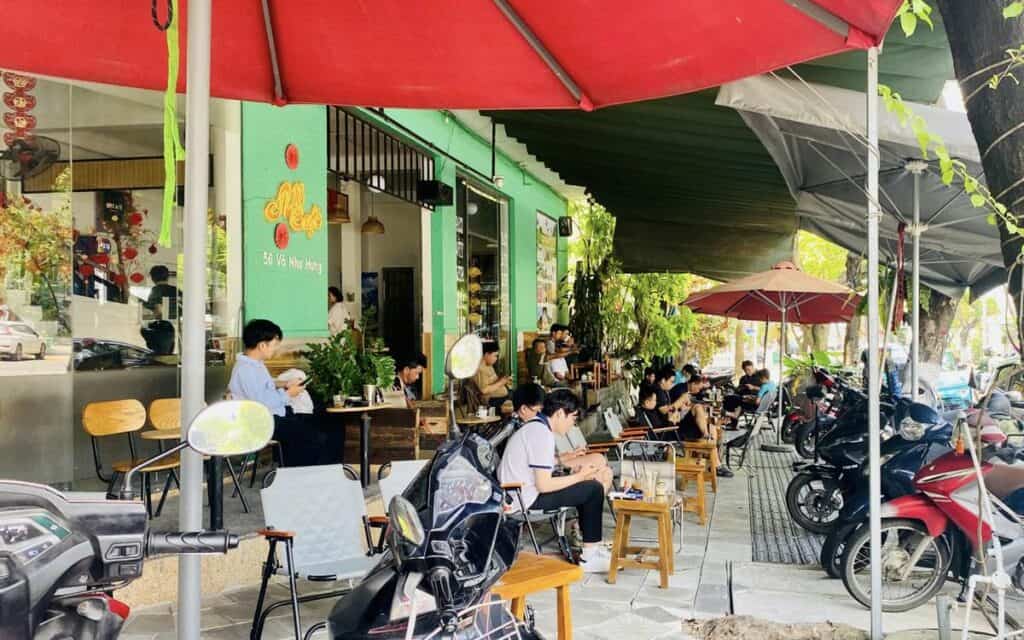
Consider Booking a Short Trial Stay
If possible, book for a few nights or one week before committing to several months. This allows you to test the bed, water pressure, internet, noise, air conditioning, neighbourhood and management.
Beginning with short-term accommodation is also the approach I recommend in Living in Da Nang, Vietnam. It gives you time to explore different neighbourhoods, experience the climate and traffic, and discover what genuinely matters to your daily routine before signing a longer lease.
The guide also includes a detailed apartment-viewing checklist covering location, noise, flooding, mould, internet, utilities, access, deposits and lease conditions.
If you must book from overseas, consider reserving temporary accommodation for your arrival and inspecting longer-term options once you are there.
Long Stay Accommodation Checklist
Before confirming your booking, make sure you know:
- The total monthly cost and what is included
- The electricity and water rates
- The deposit, refund and early departure conditions
- The exact location and distance to everyday services
- Whether the photographs show your actual apartment
- The likely noise levels and any nearby construction
- The quality of the internet
- The kitchen, laundry, cleaning and linen arrangements
- The comfort of the bed and seating
- The building’s access and mobility features
- Who to contact when something goes wrong
If Da Nang is the destination you are considering, this checklist is only the beginning. My guide, Living in Da Nang, Vietnam, takes you through finding an apartment, choosing an area, understanding likely first-month costs and settling into everyday life.
It also covers the matters that become important once the holiday feeling wears off transport, healthcare, visas, food, communication, weather, community and what to do during those first uncertain days.
Planning a Longer Stay in Da Nang
Choosing accommodation is only one part of creating a workable life in a new city. Living in Da Nang, Vietnam is a practical guide for people who want to understand what daily life here really involves. It brings together the lessons that can otherwise take months to learn, including where to live, how to find an apartment, what your first month may cost, how to get around and how to begin feeling settled.
It is not a glossy travel brochure. It is an honest guide by someone who lives there to the decisions, frustrations and everyday details that matter when Da Nang becomes more than somewhere you visit.
See What Living in Da Nang Really Takes
Love MyLifestyle #Sheridan-Leigh
Read my personal journal stories here.
About the Author:
Sheridan-Leigh is the passionate voice behind the MyLifestyle Blog, where life is celebrated with vibrant stories and insightful travel tips. With a deep love for slow travel, she believes in truly experiencing each destination, creating connections beyond the surface. Her blog is a blend of personal stories, expert advice, and a philosophy that life is for living to the fullest and is rich with opportunities for growth and adventure. Join Sheridan-Leigh as she shares her journey, inspiring others to embrace life, travel deeply, and live fully.
Below are some recent travels on an interactive map.
Alternatively, view the full interactive travel journey at MyLifestyle Travel Map
Click on a trip line to see images, posts, accommodation and travel information about the destinations.
See her recent travels: Click on the image. https://mylifestyle.travelmap.net